Embracing Simplicity: Building and Living in a Tiny A-Frame House in the Woods
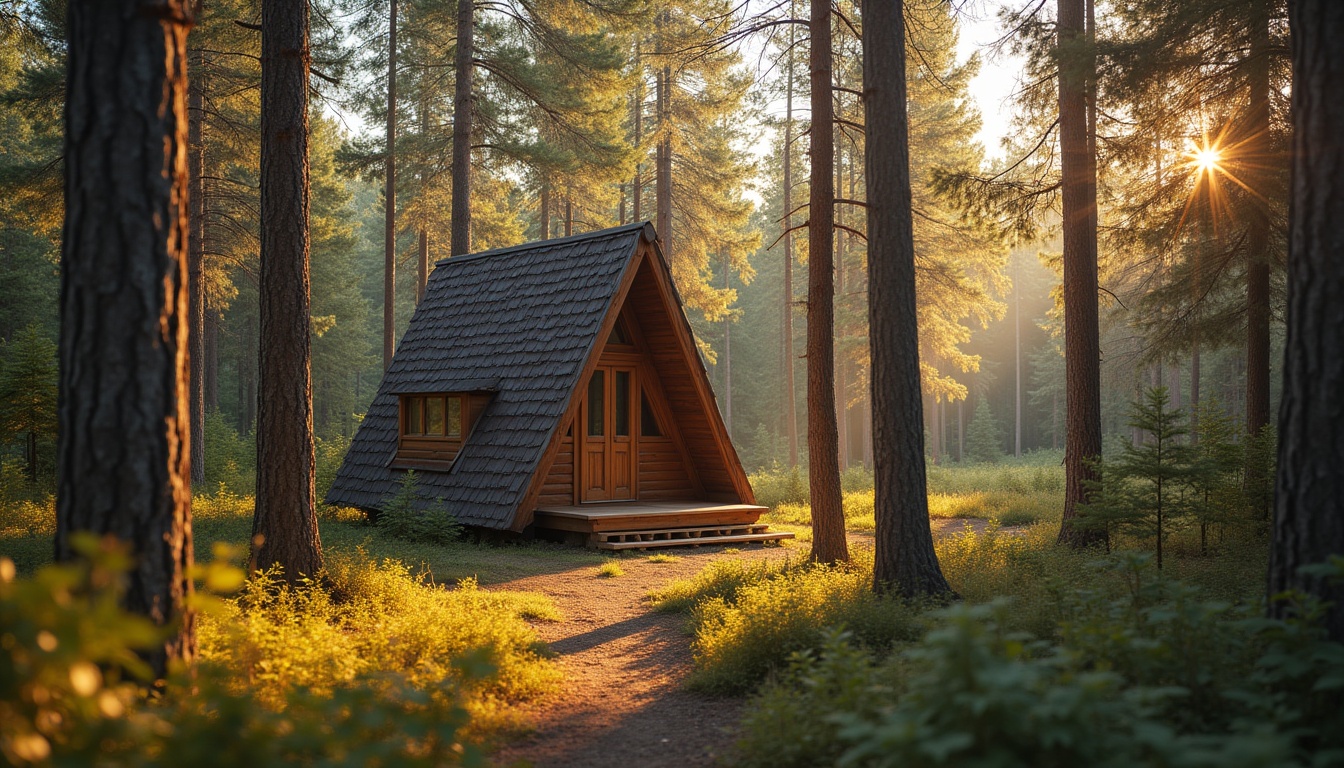
In a world where urban hustle and constant activity often dominate daily life, the appeal of a quieter, more intentional lifestyle grows stronger. For many, the idea of downsizing and reconnecting with nature offers a refreshing change from the confines of city living. One inspiring example is the story of a woman who designed and built a tiny A-frame house nestled deep in the woods — a home that perfectly balances minimalism, functionality, and harmony with nature.
The Desire for a Different Way of Living
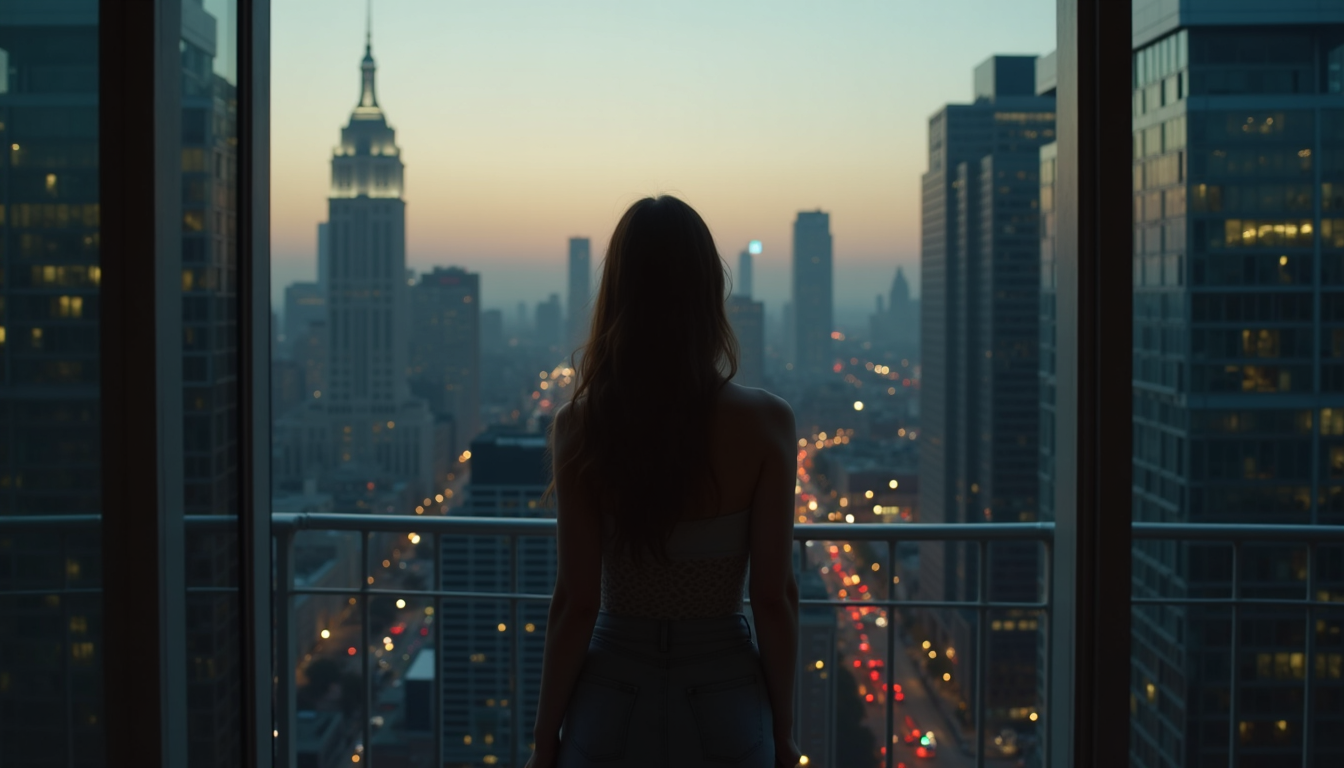
City life offers many conveniences: proximity to work, entertainment, and endless opportunities. However, it can also bring relentless noise, limited space, and a lifestyle that feels perpetually rushed. Over time, these pressures can take a toll on one’s well-being, prompting a search for a simpler, more fulfilling way of living.
For this homeowner, the turning point came when she realized that her urban apartment no longer felt like a sanctuary but rather a temporary stop in a fast-moving day. She longed for a space that would allow her to slow down, breathe, and truly unwind. This desire was more than just a passing thought; it became a serious pursuit of a home that embodied peace, intention, and connection with the natural world.
Inspiration Behind the Tiny A-Frame Cabin
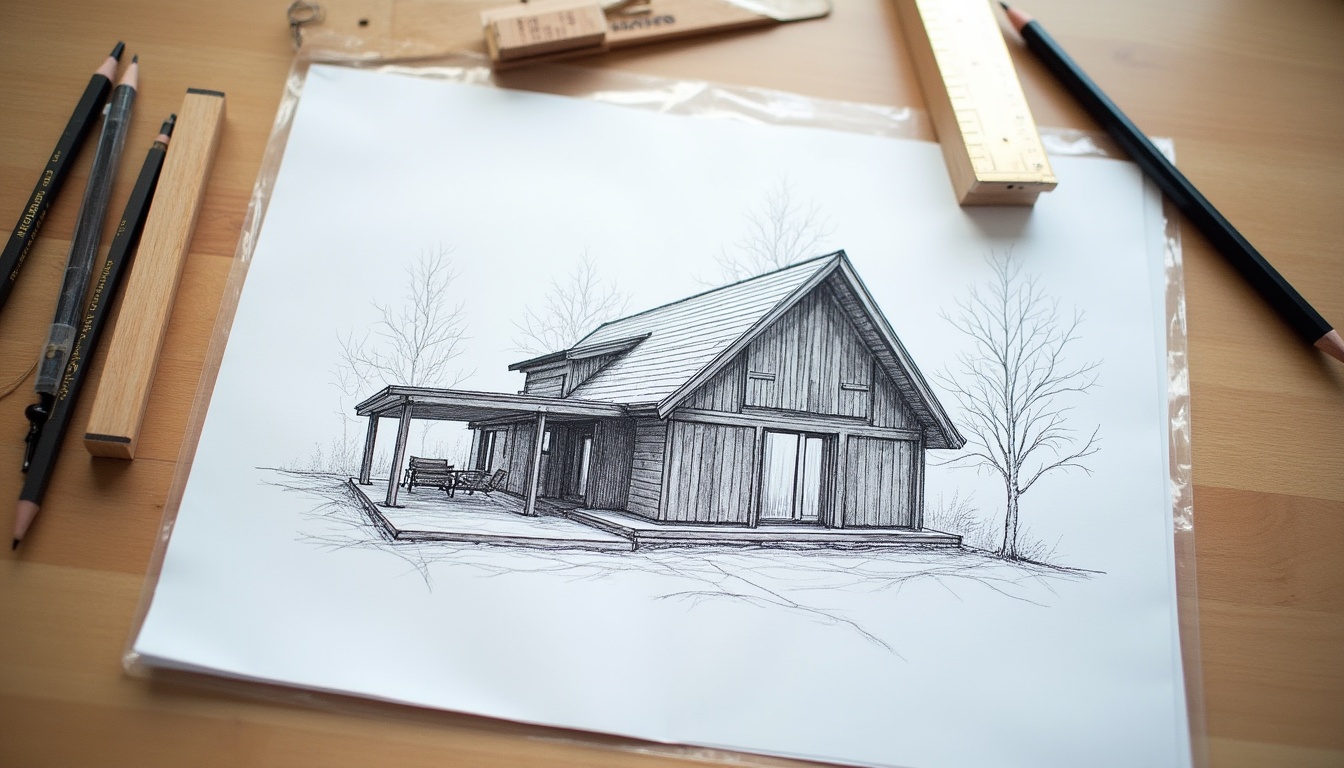
The idea for her tiny home was sparked by conversations with her boyfriend, an architect who introduced her to the elegance and simplicity of modern A-frame homes. These structures are known for their distinctive triangular shape, steep rooflines, and minimalist aesthetic. Unlike sprawling suburban houses, A-frame designs are compact yet striking, combining a unique architectural style with efficient use of space.
What appealed to her was not just the look but the philosophy behind these homes — a focus on creating a small, thoughtfully designed space that blends naturally into its surroundings. Rather than going completely off-grid, her goal was to build a retreat that felt intentional and inviting, a place that embraced both comfort and connection to nature.
Design and Functionality: Making the Most of Small Spaces
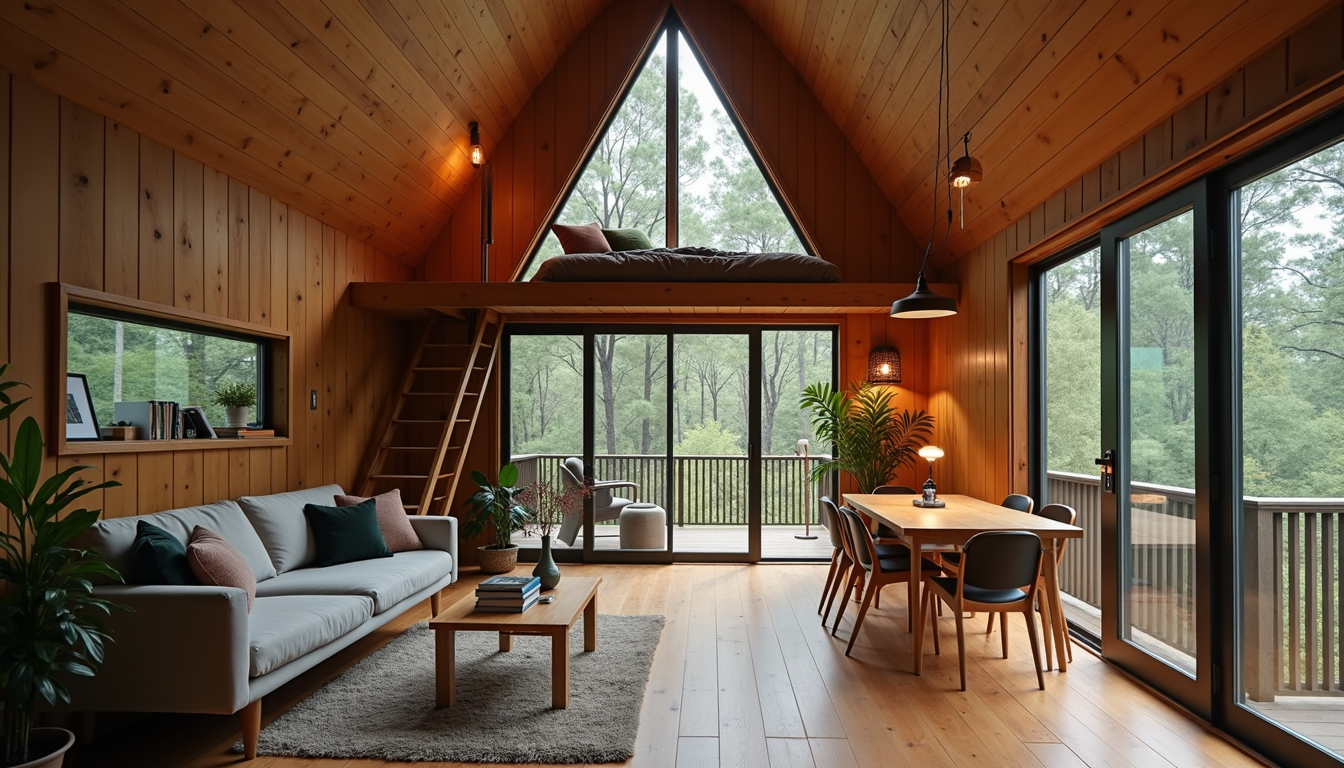
At first glance, the cabin appears compact, almost like a weekend getaway rather than a full-time residence. However, the clever design reveals a much more spacious and functional living experience than the exterior suggests.
The key to maximizing space was building upward rather than outward. The steep lines of the A-frame house allowed for a second floor tucked neatly beneath the roof, which serves as the sleeping area. This vertical expansion adds an entirely new dimension to the home, giving it an openness and volume that defies the small footprint.
Important features that make the tiny house practical and comfortable include:
- Multi-level layout: The lofted second floor creates a cozy yet airy bedroom space framed by large windows.
- Open floor plan: The main floor integrates living, dining, and kitchen areas, enhancing the feeling of spaciousness and flow.
- Large glass panels: These bring the outdoors in, flooding the interior with natural light and offering stunning views of the surrounding woods.
- Thoughtful storage solutions: Clever built-ins and compact furniture help keep clutter at bay.
Contrary to common assumptions that tiny homes feel cramped, this cabin comfortably accommodates not only the owner but also visiting family and friends. Its design fosters togetherness, proving that limited square footage doesn’t have to mean limited social interaction.
Modern Comforts in a Rustic Setting
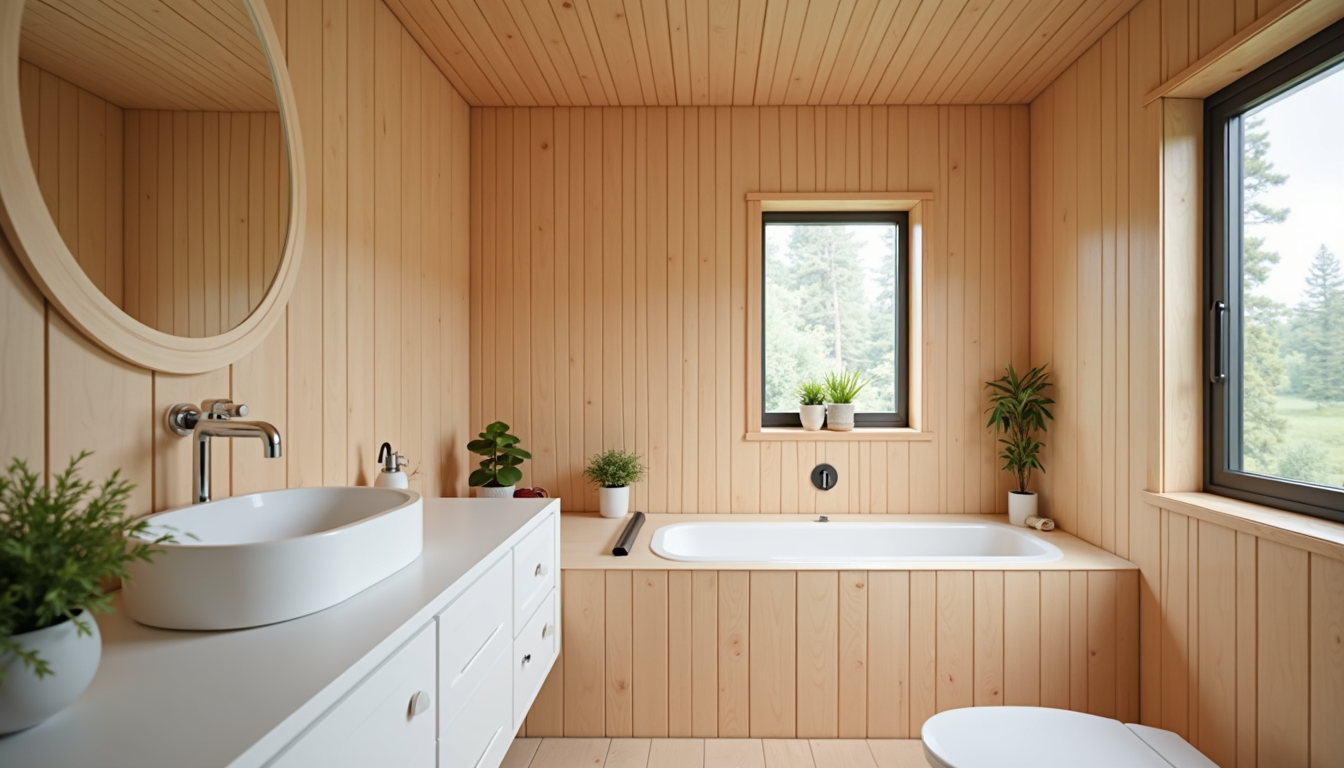
Living in a cabin in the woods does not mean sacrificing modern amenities. Despite the rustic exterior and natural setting, the interior is far from basic or rough. The homeowner prioritized comfort and functionality, ensuring that everyday needs are met with style and efficiency.
Some notable features include:
- Well-designed bathroom: Though compact, the bathroom is modern, clean, and elegantly appointed. It combines boutique-style elements with practical design, offering a surprising level of refinement.
- Efficient plumbing and utilities: The home is equipped with the essentials for daily living, making it suitable for full-time residence.
- Comfortable sleeping quarters: The loft bedroom overlooks the treetops and is filled with natural light, creating a serene atmosphere perfect for rest and reflection.
These features demonstrate that tiny house living in a natural setting can provide both simplicity and sophistication, blending the best of both worlds.
A Retreat That Transforms Daily Living
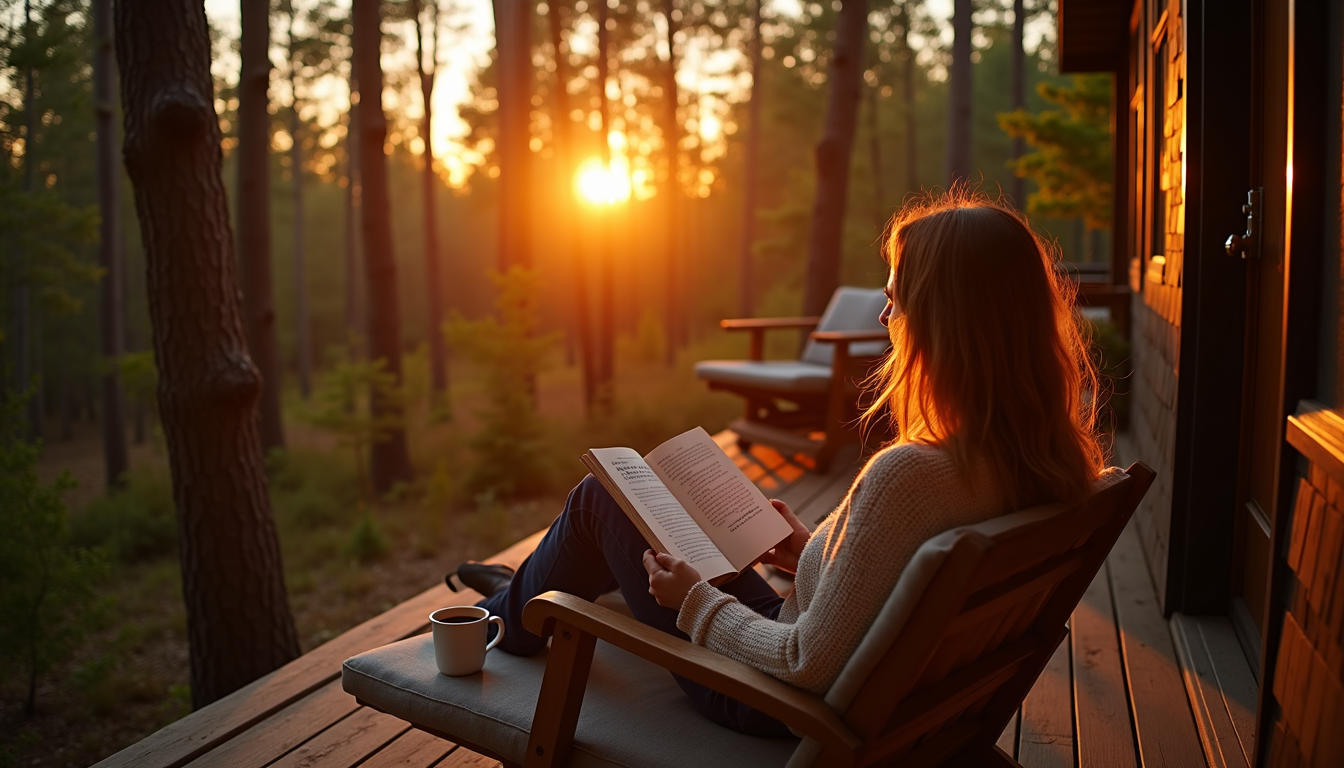
The essence of this tiny cabin is its ability to create a different rhythm for its inhabitant. The quietness of the woods and the intentional design work together to slow down the pace of life naturally. This kind of quiet is not merely the absence of noise but a presence of calm that encourages mindfulness and relaxation.
Building this home was more than just a project; it was a personal journey toward crafting a lifestyle that feels authentic and refreshing. The house serves as a retreat from the noise and haste of city living, offering a space that is both a sanctuary and a gathering place.
For those considering a similar path, this example highlights the importance of:
- Intentional design: Every square foot serves a purpose, ensuring that small spaces feel open and functional.
- Embracing nature: Large windows and natural materials help blur the line between indoors and outdoors.
- Balancing simplicity and comfort: Modern amenities integrated thoughtfully enhance livability without clutter.
- Creating community: Even a tiny home can be welcoming and accommodate loved ones.
Conclusion: The Appeal of Tiny House Living in Nature
The story of this tiny A-frame cabin in the woods illustrates how downsizing can lead to a richer, more intentional lifestyle. By prioritizing thoughtful design, natural beauty, and modern comforts, it’s possible to create a home that feels spacious, welcoming, and deeply restorative despite its modest size.
For many, such a home represents not just a physical space but a shift in mindset — a way to slow down, reconnect with what matters, and live more sustainably. Whether as a full-time residence or a retreat from the urban grind, tiny houses like this offer a powerful reminder that less can truly be more.
Top Articles